
How to Plan a Home Renovation in NZ: A Step-by-Step Guide for Homeowners
Starting a home renovation in NZ is one of the most significant investments a homeowner can undertake. Whether you are looking at a kitchen home improvement or a full-scale transformation, the market for home renovations in 2026 demands a move away from the "wing-it" approach. Success in today’s property landscape requires a blend of architectural vision, strict budgetary control, and a deep understanding of local compliance.
At Manomay Renovations, we have managed countless transformations, and we know that the difference between a stressful project and a seamless one lies entirely in the preparation. Here is our professional roadmap to navigating a renovation in 2026.

Step 1: Define Your "Why" and Scope
Before looking at paint swatches, you must define the project’s primary objective. Are you renovating to increase resale value, or to adapt your home for a growing family?
- The Scope: Create a "Must-Have" vs. "Nice-to-Have" list.
- 2026 Trend: We are seeing a surge in "Multi-Generational" layouts, renovations that include semi-independent spaces for adult children or elderly parents.
- Manomay Tip: Check the "bones" first. There is no point in a high-end kitchen renovation if the underlying plumbing or electrical wiring requires an upgrade.
Step 2: Establish a Realistic Budget
Inflationary pressures on building materials have stabilised in 2026, but “buffer” zones remain essential.
- The Rule of 15%: Always set aside a 15% contingency fund. In New Zealand, older homes often hide structural surprises once the linings are removed.
- The Value Ceiling: Research recent sales in your suburb. Ensure your renovation costs don't push the property price significantly beyond the local ceiling, which could lead to over-capitalisation.
Step 3: Navigate Consent and Compliance
New Zealand has strict building regulations under the Building Act 2004. Not every project requires a Building Consent, but many do.
- Internal Work: Most "like-for-like" replacements (such as modernising a bathroom in the same footprint) are often exempt under Schedule 1 of the Building Act.
- Structural Work: If you are moving load-bearing walls, altering the building envelope, or adding a new deck over 1.5 metres, you must obtain a building consent from your local Council.
- The 2026 Update: Ensure your plans meet the latest H1 Energy Efficiency requirements, which now demand higher levels of insulation and thermal performance in all residential modifications.
Step 4: Assemble Your Professional Team
A renovation is only as good as the hands that build it. For a comprehensive project, you may need:
- Architect/Designer: To turn your vision into consented drawings.
- Quantity Surveyor: For a highly accurate cost breakdown (recommended for large-scale projects).
- Renovation Specialist: A partner like Manomay who manages the technical execution, from tiling and flooring to structural painting.
Manomay Tip: Always verify that your contractors are Licensed Building Practitioners (LBPs). This is not just a mark of quality; for certain “Restricted Building Work,” it is a legal requirement in New Zealand.
Step 5: Material Selection and Lead Times
In 2026, the supply chain is more predictable, but high-end European tiles or custom cabinetry can still have lead times of 8–12 weeks.
- Select Early: Finalise your flooring, tapware, and tiling choices before the first hammer swings.
- Durability over Price: In New Zealand’s humid climate, prioritise moisture-resistant materials for kitchens and bathrooms. This is why we advocate for high-grade porcelain tiling, it is virtually indestructible and highly resistant to mould.
Step 6: The Construction Phase
This is where the planning meets the pavement.
- Communication: Establish a weekly check-in with your project manager.
- Living Arrangements: Decide if you will remain in the home. For major overhauls, the dust and lack of facilities often make temporary accommodation a more efficient choice.
Step 7: Final Inspection and Practical Completion
The job isn’t finished when the paint dries.
- Snag List: Walk through the space with your contractor to identify any minor touch-ups needed in the tiling or joinery.
- Code Compliance Certificate (CCC): If your project required a building consent, ensure the Council carries out a final inspection to issue your CCC. This document is vital for future insurance and resale.

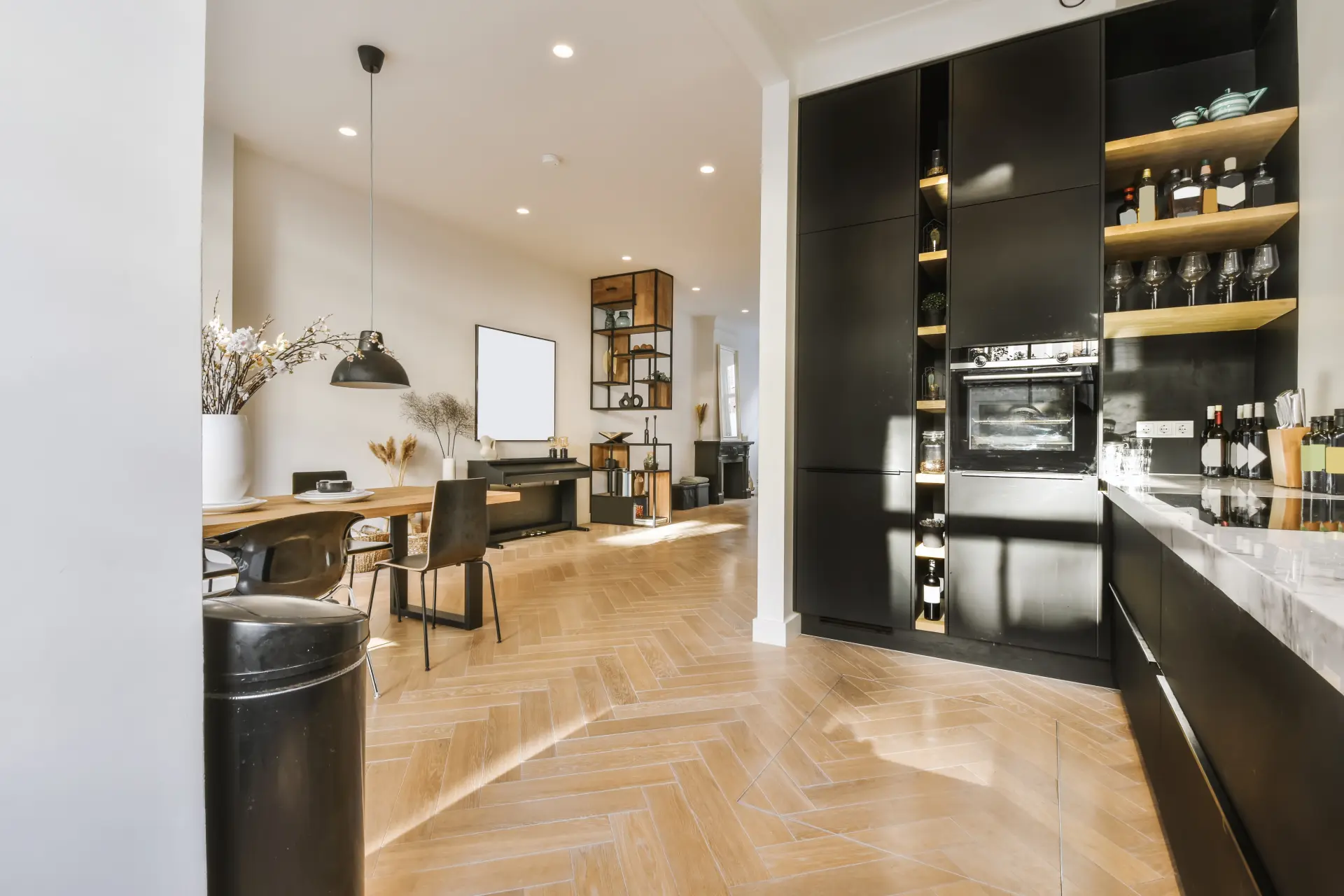


Conclusion: Planning for Longevity
A well-planned renovation should feel like it was always part of the home’s original design. By following a structured process and partnering with specialists who understand New Zealand’s building standards, you turn a complex project into a rewarding investment.
At Manomay, we pride ourselves on precision. From the initial tiling layout to the final coat of professional paint, our goal is to ensure your renovation is not just beautiful, but built to last.
Frequently Asked Questions (FAQs)
1. What is the first step for a home renovation in NZ in 2026?
The first step is always defining your scope and checking for “hidden” issues. At Manomay, we recommend a structural assessment of your plumbing and electrical systems before starting any cosmetic work, ensuring your investment is built on a solid foundation.
2. How long does a typical kitchen home improvement take?
Depending on the complexity, a full kitchen renovation usually takes between 4 to 8 weeks of on-site work. However, planning and material lead times (like custom cabinetry or specialist tiling) mean you should start the process 3–4 months in advance.
3. Do I always need a council consent for home renovations in 2026?
Not always. Internal cosmetic changes or “like-for-like” plumbing replacements often don’t require consent. However, any structural changes or work affecting the building’s “envelope” (like new windows or extensions) will require a Building Consent. Manomay can help clarify which category your project falls into.
4. How much should I budget for a kitchen home improvement?
Budgeting depends on the scale, but we always advise the “15% Contingency Rule.” Because NZ’s older homes can hide structural surprises behind walls, having a financial buffer ensures the project doesn’t stall if an unexpected repair is needed.
5. Why should I choose a specialist like Manomay for my renovation?
Precision is key to longevity. We specialise in high-quality technical execution, specifically tiling and professional painting, which are the most visible parts of your renovation. By choosing Manomay, you ensure that the “finish” of your home meets the highest professional standards.